アセテートヘアクローは持続可能なファッション運動においてどのような役割を果たしますか?
The sustainable fashion movement has transformed the way consumers think about clothing, accessories, and personal care products. Every purchase is now evaluated not only for its aesthetic appeal and functionality but also for its environmental impact and ethical footprint. In this context, the Acetate Hair Claw has emerged as a surprisingly important product. Unlike the cheap plastic hair clips that dominate the mass market, acetate hair claws are made from a bio-based material derived from cotton fibers and wood pulp. They are durable, biodegradable, and produced through a process that can be managed responsibly. For consumers who want to look good without compromising their values, the Acetate Hair Claw represents a small but meaningful choice.
The role of the Acetate Hair Claw in sustainable fashion is multifaceted. It is a product that demonstrates how traditional materials and craftsmanship can be adapted for modern ethical consumption. It is a category that supports artisanal production and small-scale manufacturing. It is a material that offers a viable alternative to petroleum-based plastics. And it is an accessory that encourages consumers to buy less and choose better. This article will examine the role of the Acetate Hair Claw in the sustainable fashion movement from multiple angles: the material science of acetate, the environmental benefits of biodegradability, the ethics of production, and the market trends driving demand. We will also provide detailed specifications for our Acetate Hair Claw products from our factory at Yiwu Glory.
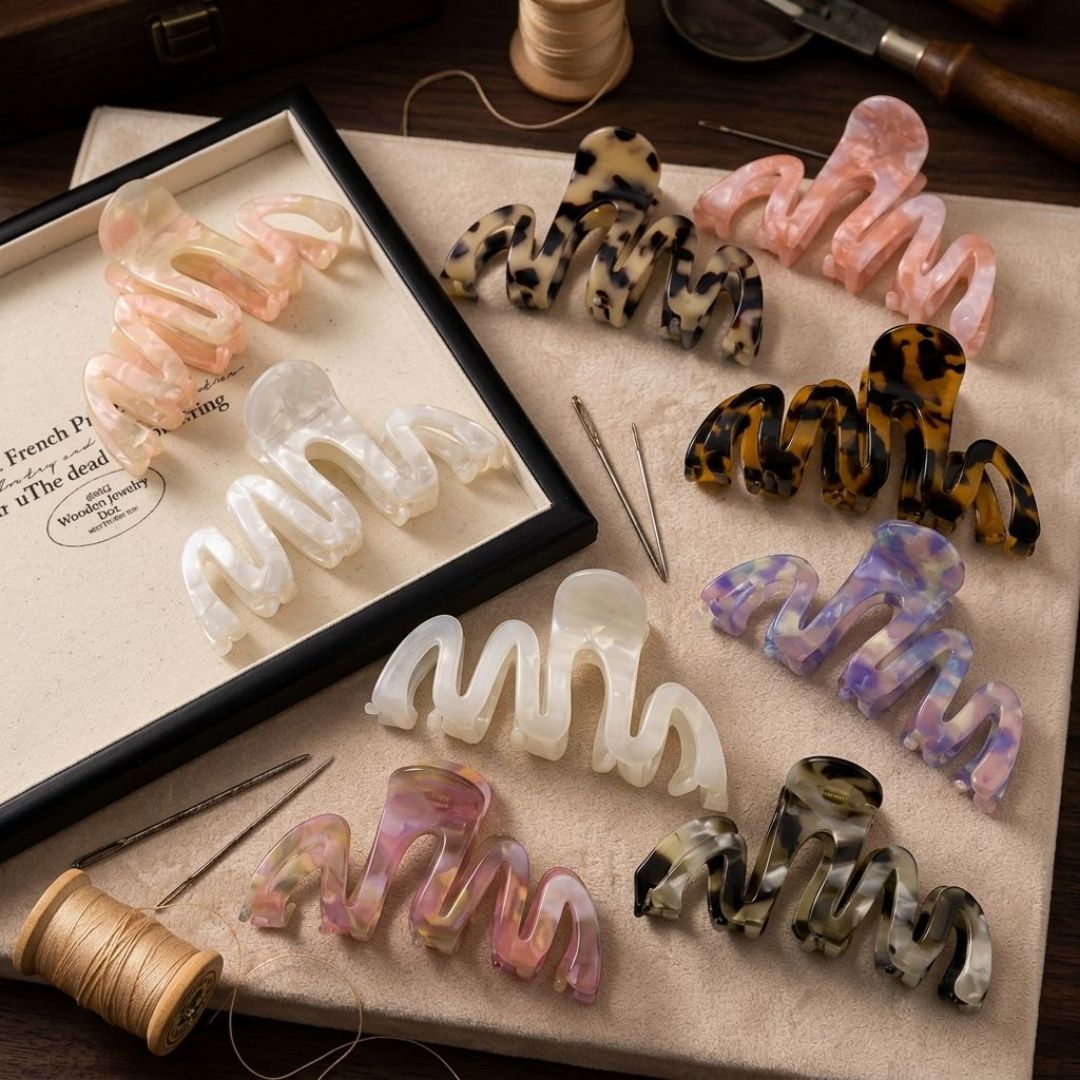
Table of Contents
- 1. What Is an Acetate Hair Claw and Why Is It Different from Plastic?
- 2. How Does Biodegradability Reduce Environmental Impact?
- 3. What Is the Role of Craftsmanship and Ethical Production?
- 4. How Does Acetate Compare to Other Hair Accessory Materials?
- 5. What Consumer Trends Are Driving Demand for Sustainable Hair Accessories?
- 6. What Specifications Define a High-Quality Acetate Hair Claw?
- 7. Frequently Asked Questions (FAQ)
- 8. Conclusion
1. What Is an Acetate Hair Claw and Why Is It Different from Plastic?
An Acetate Hair Claw is a hair accessory made from cellulose acetate, a bio-based material derived from cotton fibers and wood pulp. The material is created through a process that combines cellulose with acetic acid and acetic anhydride, producing a thermoplastic that can be molded, cut, and polished. The resulting material has a distinctive depth and luster that is often compared to natural materials such as horn or tortoiseshell. Unlike petroleum-based plastics, which are synthesized from fossil fuels, cellulose acetate is derived from renewable resources. This fundamental difference in origin is the first reason why Acetate Hair Claws are considered more sustainable than conventional plastic hair accessories.
The production process for an Acetate Hair Claw is also different from that of a plastic hair claw. Plastic hair claws are typically manufactured using injection molding, a high-speed process that uses heat and pressure to force molten plastic into a mold. Injection molding is efficient and low-cost, but it produces a product with limited aesthetic appeal and a significant environmental footprint. Acetate Hair Claws, by contrast, are often produced using a process that involves cutting and polishing sheets or blocks of acetate. This process is more labor-intensive, but it allows for a greater degree of craftsmanship and a wider range of colors and patterns. The table below compares the key characteristics of acetate and plastic hair claws.
| Property | Acetate Hair Claw | Plastic Hair Claw |
| Raw Material | Cotton fibers and wood pulp (renewable) | Petroleum-based polymers (non-renewable) |
| Biodegradability | Biodegradable under industrial composting conditions | Non-biodegradable; persists for centuries |
| Aesthetic Quality | Depth, luster, and color variations | Uniform, flat appearance |
| Durability | High impact resistance and flexibility | Varies; can be brittle |
| Production Process | Cutting, polishing, and craftsmanship | Injection molding |
| Environmental Impact | Lower carbon footprint; renewable resource | Higher carbon footprint; fossil fuel based |
At Yiwu Glory, our factory specializes in the production of high-quality Acetate Hair Claws. We use cellulose acetate from certified suppliers who source their raw materials from sustainably managed forests and cotton farms. We believe that the choice of material is the foundation of sustainable fashion, and we are committed to using the best materials available.
2. How Does Biodegradability Reduce Environmental Impact?
One of the most significant environmental advantages of Acetate Hair Claws is their biodegradability. Cellulose acetate is derived from natural polymers, and under the right conditions, it can be broken down by microorganisms into water, carbon dioxide, and biomass. This is in stark contrast to petroleum-based plastics, which are resistant to biodegradation and persist in the environment for hundreds of years. The biodegradability of acetate means that an Acetate Hair Claw that is accidentally lost or disposed of will eventually break down, rather than contributing to the growing problem of plastic pollution. For consumers who are concerned about the environmental impact of their purchases, this is a compelling advantage.
The rate of biodegradation depends on the conditions. In a home composting environment, cellulose acetate may take several months to break down. In an industrial composting facility, where temperature and humidity are controlled, the process can be faster. In a landfill, where conditions are not optimized for biodegradation, the process may be slower, but it will still occur over time. The table below compares the biodegradation characteristics of acetate and common plastics.
| Material | Source | Biodegradability | Time to Degrade |
| Cellulose Acetate | Cotton, wood pulp | Biodegradable | Months to years (depending on conditions) |
| Polypropylene (PP) | Petroleum | Non-biodegradable | Centuries |
| Polystyrene (PS) | Petroleum | Non-biodegradable | Centuries |
| PVC | Petroleum | Non-biodegradable | Centuries |
At our factory, we are committed to reducing the environmental impact of our products. We use cellulose acetate that is certified biodegradable and compostable under industrial standards. We also minimize waste in our production process by recycling offcuts and scraps. Our goal is to create products that are not only beautiful and functional but also environmentally responsible.
3. What Is the Role of Craftsmanship and Ethical Production?
Sustainable fashion is not just about materials; it is also about how products are made and who makes them. The Acetate Hair Claw is often produced through a process that involves a high degree of craftsmanship. Unlike injection-molded plastic products, which are produced automatically by machines, acetate hair claws are often cut, shaped, and polished by hand. This craftsmanship not only produces a superior product but also supports skilled employment and traditional manufacturing techniques. In a world where fast fashion often relies on exploitative labor practices, the craftsmanship behind Acetate Hair Claws represents a more ethical alternative.
At Yiwu Glory, our factory is committed to ethical production. We pay our workers fair wages, provide safe working conditions, and comply with all relevant labor laws. We also work with small-scale artisans and workshops who share our commitment to quality and sustainability. The table below summarizes the key ethical production criteria that we follow.
| Criteria | Our Commitment |
| Fair Wages | We pay above the local minimum wage and provide regular reviews |
| Safe Working Conditions | We maintain a clean, well-ventilated, and safe working environment |
| No Child Labor | We strictly enforce a no-child-labor policy |
| Environmental Responsibility | We minimize waste and use eco-friendly materials |
| Community Support | We support local artisans and community development programs |
We believe that ethical production is not just a moral obligation; it is also a competitive advantage. Consumers are increasingly aware of the conditions under which their products are made, and they are willing to pay a premium for products that are made ethically. By choosing an Acetate Hair Claw from a responsible manufacturer, consumers can support a more sustainable and equitable fashion industry.
4. How Does Acetate Compare to Other Hair Accessory Materials?
When evaluating the sustainability of a hair accessory, it is important to consider the full range of materials available. These include plastic, metal, wood, bamboo, and acetate. Each material has its own environmental profile and performance characteristics. The table below compares acetate to these other materials across key sustainability and performance criteria.
| Material | Renewable | Biodegradable | Durability | Aesthetic Quality | Environmental Impact |
| Acetate | Yes | Yes | Excellent | Excellent | Low |
| Plastic (PP, PS) | No | No | Moderate | Poor | High |
| Metal (Steel, Aluminum) | No | No | Excellent | Good | Moderate (recyclable) |
| Wood | Yes | Yes | Good | Good | Low (if sourced sustainably) |
| Bamboo | Yes | Yes | Good | Moderate | Very Low |
As the table shows, acetate offers an excellent balance of sustainability, durability, and aesthetic quality. It is more durable than wood or bamboo, more aesthetically versatile than metal, and far more sustainable than plastic. This is why the Acetate Hair Claw has become a favorite among consumers who are looking for a stylish, durable, and eco-friendly hair accessory. At Yiwu Glory, we are proud to offer Acetate Hair Claws that meet the highest standards of quality and sustainability.
5. What Consumer Trends Are Driving Demand for Sustainable Hair Accessories?
The demand for sustainable hair accessories is being driven by several broader consumer trends. The first is the growing awareness of the environmental impact of fast fashion. Consumers are increasingly aware of the fact that the fashion industry is one of the largest contributors to global pollution, and they are seeking out alternatives that are less harmful to the planet. The second trend is the rise of conscious consumerism. Consumers are making purchasing decisions based on their values, and they are willing to pay a premium for products that align with those values. The third trend is the increasing popularity of vintage and artisanal aesthetics. Acetate Hair Claws, with their tortoiseshell patterns and hand-polished finishes, fit perfectly into this trend. The fourth trend is the growing demand for products that are durable and long-lasting. In a world of disposable fashion, consumers are looking for accessories that will last for years, not months.
The table below summarizes these trends and their impact on the demand for Acetate Hair Claws.
| Trend | Impact on Demand |
| Environmental Awareness | Consumers seek biodegradable, renewable materials |
| Conscious Consumerism | Consumers pay premium for ethical products |
| Vintage and Artisanal Aesthetics | Acetate's depth and patterns are highly desirable |
| Durability and Longevity | Consumers prefer products that last |
| Social Media Influence | Acetate Hair Claws are highly photogenic and shareable |
At our factory, we have seen a significant increase in demand for our Acetate Hair Claws from brands and retailers who are looking to tap into these trends. We work closely with our customers to develop products that meet the specific aesthetic and sustainability requirements of their target market. Our factory has the expertise and the equipment to produce Acetate Hair Claws in a wide range of colors, patterns, and finishes, allowing our customers to differentiate their products in a crowded market.
6. What Specifications Define a High-Quality Acetate Hair Claw?
The quality of an Acetate Hair Claw is determined by its specifications, including the grade of acetate, the thickness of the material, the quality of the spring mechanism, and the finish. The table below provides a summary of the key specifications for our Acetate Hair Claws.
| Specification | Options | Importance for Quality |
| Acetate Grade | Standard, Premium (higher purity) | Higher grade yields better color and durability |
| Thickness | 3 - 8 mm | Thicker material is more durable and substantial |
| Spring Mechanism | Stainless steel spring | Ensures reliable grip and long life |
| Finish | Polished, Matte, Textured | Affects aesthetic appeal and tactile experience |
| Color Options | Solid, Tortoiseshell, Marble, Pearl | Wide range for different market preferences |
| Size | Small, Medium, Large | Different sizes for different hair types |
| Packaging | Recyclable, Biodegradable, Plastic-Free | Extends sustainability to the packaging |
At Yiwu Glory, we use only high-quality cellulose acetate in our Acetate Hair Claws. We offer a range of finishes and colors to suit different aesthetic preferences, and we can customize our products to meet the specific requirements of our customers. We also offer eco-friendly packaging options to ensure that the sustainability of our products extends beyond the product itself.
7. Frequently Asked Questions (FAQ)
Question 1: Is acetate plastic?
Answer: Acetate is a bio-based material derived from cotton fibers and wood pulp. While it is a type of polymer, it is not a petroleum-based plastic. It is biodegradable and derived from renewable resources, making it a more sustainable alternative to conventional plastics. The term "plastic" is often used to refer to petroleum-based materials, so acetate is better described as a bio-based polymer or a cellulose-based material.
Question 2: Are Acetate Hair Claws durable?
Answer: Yes, Acetate Hair Claws are very durable. Cellulose acetate has high impact resistance and flexibility, which means it can withstand the stresses of daily use without breaking. The stainless steel spring mechanism is also designed for long life. With proper care, an Acetate Hair Claw can last for years, making it a more sustainable choice than disposable plastic hair accessories.
Question 3: How do I care for an Acetate Hair Claw?
Answer: To care for an Acetate Hair Claw, avoid exposing it to high heat, which can cause the material to deform. Clean it with a soft, damp cloth and mild soap. Avoid using abrasive cleaners or solvents, which can damage the surface. Store it in a dry place when not in use. With proper care, your Acetate Hair Claw will maintain its beauty and functionality for many years.
Question 4: Is acetate biodegradable?
Answer: Yes, cellulose acetate is biodegradable under the right conditions. In an industrial composting facility, it can break down within a few months. In a home composting environment, it may take longer. In a landfill, the process is slower but still occurs over time. This is a significant advantage over petroleum-based plastics, which do not biodegrade.
Question 5: Can I customize the design of an Acetate Hair Claw?
Answer: Yes, we offer customization services for our Acetate Hair Claws. We can produce custom colors, patterns, sizes, and finishes. We can also add custom branding, such as a logo or a name. Our factory has the expertise and the equipment to produce custom designs in a range of quantities. Contact us to discuss your specific requirements.
8. Conclusion
The Acetate Hair Claw plays a meaningful role in the sustainable fashion movement. It is a product that demonstrates how a simple accessory can embody the values of environmental responsibility, ethical production, and timeless design. Made from renewable and biodegradable cellulose acetate, it offers a compelling alternative to petroleum-based plastic hair accessories. Its production supports craftsmanship and skilled employment. Its aesthetic qualities appeal to consumers who value beauty and quality. And its durability encourages consumers to buy less and choose better. At Yiwu Glory, our factory is proud to be a part of this movement. We are committed to producing high-quality Acetate Hair Claws that meet the highest standards of sustainability and craftsmanship.
Whether you are a consumer looking for a sustainable hair accessory or a brand owner seeking a reliable manufacturing partner, we invite you to contact us to learn more about our Acetate Hair Claws. We offer a wide range of standard products and can customize our designs to meet your specific requirements. Our commitment to quality and sustainability has made us a trusted partner for businesses around the world.
Contact Yiwu Glory today to discuss your Acetate Hair Claw requirements and discover how our sustainable hair accessories can elevate your brand and delight your customers.
お問い合わせを送信



X
当社は Cookie を使用して、より良いブラウジング体験を提供し、サイトのトラフィックを分析し、コンテンツをパーソナライズします。このサイトを使用すると、Cookie の使用に同意したことになります。
プライバシーポリシー